Introduction
Cardiopulmonary resuscitation (CPR) is a life-saving technique that is vital in lots of emergency scenarios. It involves performing chest compressions and rescue Homepage breaths to bring back blood flow and oxygenation to a person's body when their heart has stopped or they are not breathing effectively. Learning how to supply CPR efficiently can make a substantial difference in increasing the chances of survival for someone experiencing cardiac arrest or respiratory failure.

In this short article, we will check out different methods and tips for supplying cardiopulmonary resuscitation. Whether you are considering taking a first aid course or currently have some understanding of CPR, this thorough guide will equip you with valuable information to confidently react in emergency situation situations.
Table of Contents
HLTAID011: First Aid Course- What is HLTAID011? Why should you take a first aid course? Where can you find HLTAID011 courses?
- The value of integrating first aid and CPR training What does a typical first aid and CPR course cover? How long does a first aid and CPR course usually take?
- Why is acquiring a first aid certificate important? How do you obtain a first aid certificate? Is a first aid certificate legitimate internationally?
- Understanding the benefits of CPR and first aid courses Different types of CPR and first aid courses available What skills are taught in CPR and first aid courses?
- The significance of appropriate first aid training Who can take advantage of first aid training? How frequently needs to people go through refresher training?
- The function of a first aid trainer Qualities to search for in a reputable first aid trainer How can you become a certified first aid trainer?
- What does it imply to provide first aid? Steps to follow when offering very first aid Common scenarios where first aid may be required
- Understanding the significance of an accredited first aid course How can you validate if a first aid course is accredited? The advantages of registering in an accredited first aid course
- What is CPR? Step-by-step guide on how to carry out CPR Important factors to consider when providing CPR
CPR Courses
- Different kinds of CPR courses available How long does a typical CPR course last? Hands-on practice and simulations in CPR courses
CPR Training
- The importance of regular CPR training How typically should individuals refresh their CPR skills? Additional resources for ongoing CPR training
HLTAID009: Supply Cardiopulmonary Resuscitation
- Overview of HLTAID009 certification What are the requirements for HLTAID009? Where can you discover HLTAID009 courses?
Child Care First Aid Course
- The special factors to consider of offering first aid in childcare settings Essential skills covered in a child care first aid course Why is it crucial for child care experts to get this training?
Child Care First Aid
- Common injuries and emergencies in childcare settings Specific methods and tips for providing first aid to children Creating a safe environment for children in child care centers
HLTAID012: Offer First Aid in an Education and Care Setting
- Understanding the importance of HLTAID012 certification for educators What topics are covered in HLTAID012 courses? How does first aid training benefit education and care professionals?
First Aid Course for Childcare
- Tailored first aid training for childcare professionals What makes a first aid course ideal for childcare settings? Recognizing and responding to typical medical conditions in children
Online First Aid Course
- The convenience and availability of online first aid courses Pros and cons of online first aid training Choosing a respectable online first aid course provider
Online CPR Courses
- Advantages of online CPR courses Interactive elements in online CPR courses Certification validity of online CPR courses
Online First Aid and CPR Course
- Simulating real-life situations through virtual platforms Hands-on elements in online first aid and CPR courses Ensuring practical abilities advancement in an online setting
Online First Aid Certificate
- Obtaining a legitimate first aid certificate through online training Acceptance of online certificates by employers and organizations Verifying the authenticity of an online first aid certificate
Online CPR Training
- Benefits of learning CPR online Interactive modules in online CPR training programs Maintaining self-confidence in supplying CPR through virtual practice
Online First Aid Training
- Comprehensive learning materials available in online first aid training Incorporating multimedia elements for boosted understanding Evaluating the effectiveness of online first aid training programs
Online First Aid Trainer
- Becoming a qualified online first aid trainer Online platforms for delivering interactive first aid training sessions Ensuring engagement and involvement in virtual training sessions
Online Supply Very first Aid
- The significance of virtual first aid training during the COVID-19 pandemic Adapting first aid techniques to online environments Strategies for reliable evaluation and feedback in virtual settings
Conclusion
Providing Cardiopulmonary Resuscitation: Techniques and Tips
When it comes to providing cardiopulmonary virtual CPR resuscitation (CPR), there are numerous methods and suggestions that can greatly boost your ability to react effectively in emergency situation situations. Here are some key factors to consider when performing CPR:
Maintain a clear airway: Before beginning chest compressions, guarantee that the person's airway is clear of any obstructions. Tilt their head back somewhat and raise their chin to open the airway.
Check for breathing: Look, listen, and feel for any indications of typical breathing. If the individual is not breathing or only gasping, start CPR immediately.
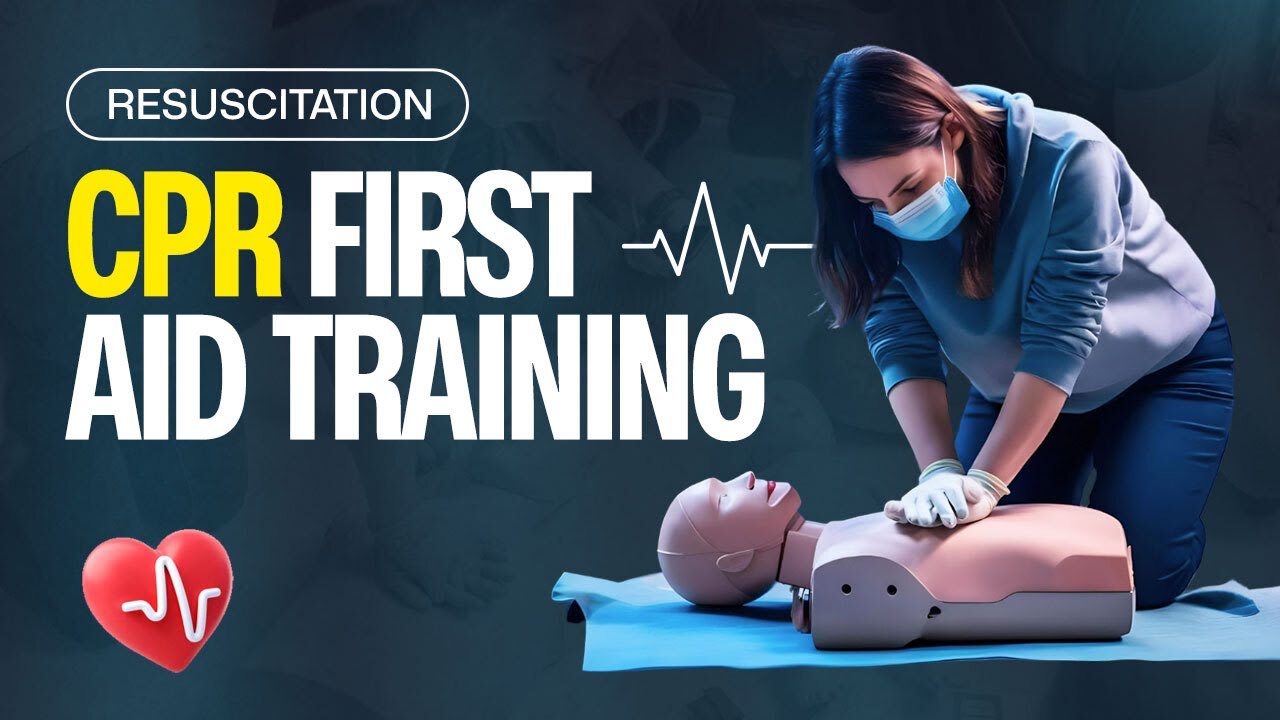
Perform chest compressions: Position the heel of one hand on the center of the individual's chest (between the nipples) and interlock your other hand on top. Position yourself directly over their chest and push set at a rate of about 100-120 compressions per minute.
Allow full chest recoil: After each compression, allow the chest to completely recoil before beginning the next compression. This allows for correct blood flow through the heart.
Give rescue breaths: After every 30 compressions, provide 2 rescue breaths by tilting the person's head back somewhat, lifting their chin, and producing an airtight seal over their mouth with your mouth.
Continue CPR till help arrives: Do not stop CPR until doctor show up or if you become physically exhausted. Consistent and continuous chest compressions are essential for preserving blood circulation.
By following these strategies and suggestions, you can significantly enhance the opportunities of survival for somebody in need of cardiopulmonary resuscitation.
FAQs
Q: What is the HLTAID011 certification? A: HLTAID011 is a nationally recognized system of competency that provides individuals with the skills and knowledge to with confidence administer first aid in emergency situation situations.
Q: Why ought to I take a first aid course? A: Taking a first aid course equips you with essential life-saving abilities and the self-confidence to respond successfully in emergencies. It can make a considerable distinction in conserving lives.
Q: Where can I discover HLTAID011 courses? A: HLTAID011 courses are used by numerous signed up training organizations (RTOs) and first aid training suppliers. You can browse online or contact local health organizations for information on readily available courses near you.
Q: How long does a first aid and CPR course normally take? A: The duration of a first aid and CPR course might differ depending on the service provider and the level of certification being pursued. Typically, these courses range from one to 3 days.
Q: How do I acquire a first aid certificate? A: To acquire a first aid certificate, you must successfully finish a certified first aid course and pass the assessment requirements set by the training provider.
Q: Is a first aid certificate valid internationally? A: While some countries may acknowledge worldwide certifications, it is suggested to consult regional authorities or companies in the country where you intend to use your certificate to ensure its validity.
Conclusion
Providing cardiopulmonary resuscitation (CPR) requires proper training, understanding, and self-confidence. By registering in a certified first aid course, such as HLTAID011 or other pertinent accreditations, individuals can learn important techniques and suggestions for performing CPR effectively.
Remember, the ability to provide CPR can make a life-saving difference in emergency situations. Constantly prioritize safety and look for immediate medical assistance when needed. Together, let's empower ourselves with the abilities to react with confidence and successfully in times of crisis.
